


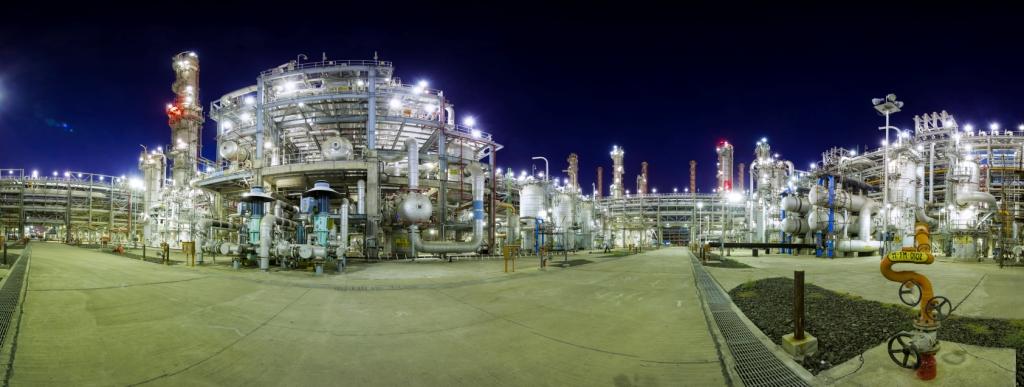
New Delhi, November 7: India’s chemicals and petrochemicals sector is valued at about US$220 billion and is projected to reach US$300 billion by 2030 and US$1 trillion by 2040, according to a backgrounder from the Department of Chemicals and Petrochemicals under the Ministry of Chemicals and Fertilizers.
The department said India is the world’s sixth-largest chemicals producer and Asia’s fourth-largest. It ranks second globally in dye manufacturing and export and third in agrochemical exports.
Three new chemical parks
The Bhavya Rasayan (Bharat Audyogik Vikas Yojana) scheme, approved in July 2026, will set up three dedicated chemical parks, each covering at least 8 sq km. The Centre will give up to ₹1,000 crore per park, subject to a minimum state contribution of ₹500 crore. The total outlay is ₹3,030 crore for 2026-27 to 2030-31.
For plastic parks, central grants cover up to 50% of project cost, capped at ₹40 crore per project. Ten plastic parks have been approved; four have completed infrastructure work, three of them during 2025-26.
Investment and production
- The sector has about 13,000 large-scale units and 4.45 lakh MSMEs.
- FDI inflows for 2014–2026 were ₹1,04,895 crore, against ₹45,240 crore in 2004–2014.
- Production of key chemicals and petrochemicals rose from 45,638 thousand metric tonnes in 2015-16 to 58,617 thousand metric tonnes in 2024-25.
The three Petroleum, Chemical and Petrochemical Investment Regions (PCPIRs), at Dahej in Gujarat, Visakhapatnam-Kakinada in Andhra Pradesh and Paradip in Odisha, have together attracted ₹3.4 lakh crore of investment and created 3.7 lakh jobs, and host more than 2,200 chemical units.
Research, skills and safety
The Research, Development and Innovation (RDI) scheme, launched in November 2025 with a ₹1 lakh crore corpus, added advanced chemicals, petrochemicals and materials technology as an eligible sector from 8 October 2026.
CIPET has 51 centres, 19 of them set up since 2014, and has trained about 6.72 lakh professionals. Its 18 Centres of Excellence have filed 85 patents, published more than 600 research papers and developed 105 new technologies.
As of August 2026, 37 Quality Control Orders were in force. Under a hazardous-chemicals safety initiative, 21 training programmes have trained 2,441 personnel from 1,376 units, out of 2,393 major accident hazard units targeted over five years. More than 1 lakh farmers have benefited from over 250 pesticide-safety programmes.
The 14th India Chem was held in Mumbai from 22 to 24 October 2026 under the theme “Advantage India: An Emerging Global Chemicals Hub”. It drew over 5,000 visitors and launched the India Chem Youth Innovation Challenge.
Also read: Cabinet clears ₹1.86 lakh crore Green Energy Corridor Phase-III